By ECOWB ECOWB
•
October 5, 2026
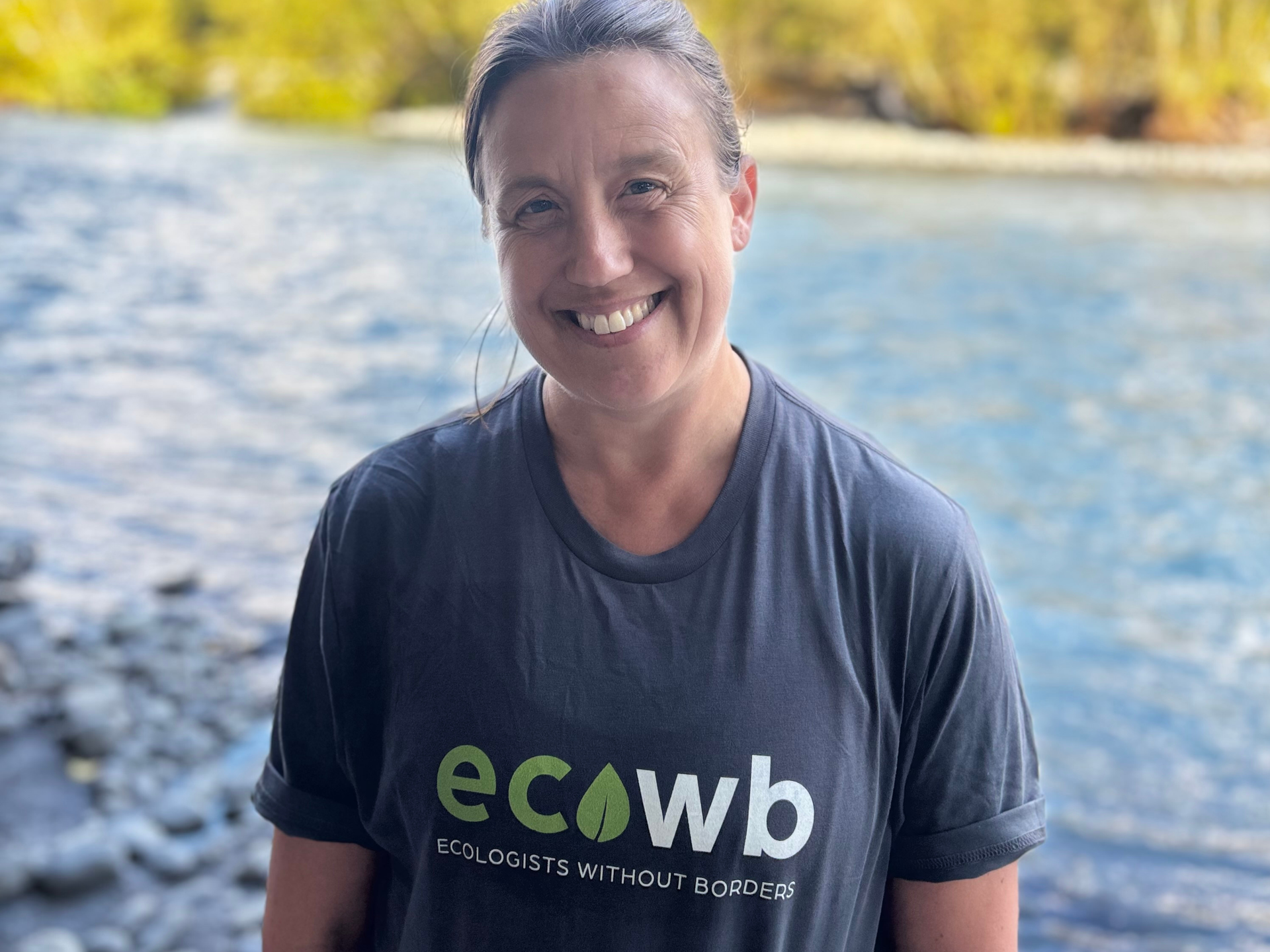
Meet Dune Ives, EcoWB’s new Executive Director . Since stepping into the role earlier this summer, Dune has been getting to know the people, partners and projects that make EcoWB what it is – and thinking about what’s possible as we look to the future. Dune brings more than 25 years of experience turning ambitious environmental ideas into action. Her work has included the Green Sports Alliance and NextWave Plastics, developing with TOM FORD the first impact investment fund and awards program to replace thin-film plastic, and leading work recognized with the inaugural UN SDG Impact Award. We sat down with Dune to hear what drew her to EcoWB, what has surprised her in her first couple of months as Executive Director, and what excites her most about where the organization is heading. From the extraordinary people who built EcoWB to the potential of its global volunteer community, Dune reflects on what makes this organization special – and what she hopes will come next. What first attracted you to Ecologists Without Borders? When I first became aware of Ecologists Without Borders, I was struck by its unique offer to the world. Throughout my career, I’ve held the belief that creating a healthy, liveable planet is everyone’s job – and that is what I saw reflected in EcoWB’s model.. There are many organizations doing environmental conservation and restoration work – whatever name you put to it. But what felt unique to me is the way that Ecologists Without Borders has harnessed the zeitgeist of a service economy, bringing together experts from around the world: scientists, biologists, ecologists, marketing professionals, and everything in between. As humans, we are hard-wired to rush to the aid of other humans, but we can feel hopeless and rudderless in the face of environmental degradation, especially when it happens in faraway places. What I love about EcoWB is that it gives people a way to help. It enables communities to complete the work they know needs to happen to create healthy environments in which their communities can thrive. No other organization does this. I wanted to be part of this effort: to harness the power of volunteers who have passion, drive, commitment, and something to give beyond themselves and their day-to-day lives, and to put that power to work for communities all over the world. And what an exciting way to give back to the environment and to know – not just feel, but know – that you are making a difference every day. What surprised you most when you joined the organization? When I first got under the hood of the organization, what surprised me was that it had been volunteer-led for nearly its entire existence. I knew that I was the first staff Executive Director. I didn’t realize at the time that this organization, which began in 2011, had been developed, overseen, managed, and implemented by a group of some of the most passionate – and nicest – humans I have ever met. When you step into the role of Executive Director in a primarily volunteer-led organization, it is important to recognize that you are carrying all of their hopes and dreams, as well as those of the people who came before them, who established the organization and continued to propel it forward. That is an important reminder of my role as Executive Director, and of the history and culture I am helping to carry forward. What makes EcoWB’s volunteer model so powerful? What is powerful about EcoWB’s model is that there is a place for everyone in this story. There are so many environmental, conservation and restoration needs around the world. A project in one part of the world might require someone who is excellent at youth education and leading eco-tours. Another might need somebody who has just completed a master’s programme, has a speciality in GIS mapping, and wants to put that expertise to work. Another might need someone who really understands what a wetland could look like when it is fully restored. There is a place for everybody at Ecologists Without Borders, and that is what I think is so powerful about this model. What do you want the volunteer experience at EcoWB to feel like? I want volunteering with EcoWB to feel meaningful. When you come here, I want you to know that your talents, your time, your experience, and your expertise are not only valued – they are honoured. We believe deeply in our model and in the way we engage with communities, but we’re also learning. As EcoWB grows, we want to keep learning – from our partners, from the projects themselves, and from the volunteers who bring their experience and expertise to this work. Where do you hope EcoWB will be a year from now? A year from now, I hope we will be talking about how our volunteer base has quadrupled, and how the number of communities we have served has increased tenfold – if not more. When we do this right, we will be able to match volunteers with communities that don’t currently have access to the technical expertise or funding they need. We will be able to grow our collective impact in every corner of the world. And now is the right time to do it. Communities are not waiting – and can’t wait – for the large NGOs to solve all of their environmental challenges, and we should not wait either. We need to match the pace and scale of what these communities are asking for. What would you say to someone considering getting involved? I hope you’ll join us, and I’m really excited to see what we are going to build together.