EcoWB Publishes 2024-2028 Strategic Plan
November 27, 2023

We are delighted to announce and share our Ecologists Without Borders strategic plan for the next five years, a period we see as pivotal in addressing global environmental challenges. Please take a few moments to read the plan to learn more about our commitment to empowering local communities and preserving ecosystems in an increasingly changing world. 


Our focus for the next five years will be three key areas: 

  • Strengthening Organizational Effectiveness: Building a robust operational framework to support our growing team and projects. 
  • Enhancing Volunteer Engagement: Expanding our network to include over 1000 active volunteers, deeply involved in our initiatives. 
  • Project Development: Launching accessible and impactful programs that are responsive to the needs of the communities we serve.

By 2028, we aim to have a solid track record of successful projects and a vibrant volunteer network. Our vision extends to 2030, where EcoWB will be known as a global leader in community-driven environmental conservation. 


We invite you to join us on this exciting journey. Your participation, be it as a volunteer, partner, or donor, will make a significant difference. Please see our Get Involved page (https://www.ecowb.org/get-involved) to learn more. 


Together, let's create a future of flourishing ecosystems and empowered communities. 
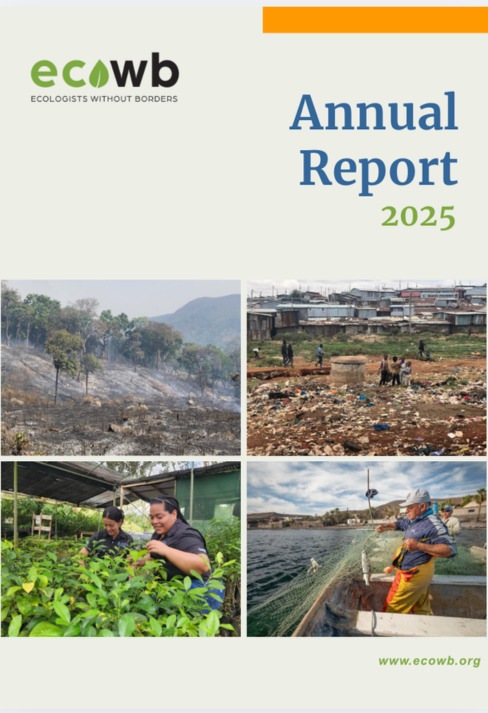
STRATEGIC PLAN
November 5, 2025
Since 2023 EcoWB has been contributing its technical expertise to a multi-phase restoration initiative led by Asociación Mangle and the Mangrove Action Project in El Salvador’s Jiquilisco Bay, one of Central America’s largest and most diverse mangrove ecosystems. Together, these organizations and our technical collaborators aim to conserve, restore, and sustainably manage this globally significant ecosystem that supports biodiversity and local livelihoods. Its mangroves are globally important in sequestering carbon to mitigate the effects of climate change. Jiquilisco Bay, located on the Pacific coast of southeastern El Salvador, is a place of exceptional natural richness and ecological importance. Recognized as both a UNESCO Biosphere Reserve and a Ramsar Wetland of International Importance, it is home to one of Central America’s largest and most diverse mangrove forests, covering more than 20,000 hectares. These mangroves form the heart of the Jiquilisco Bay Biosphere Reserve, which spans around 400 km². It includes a mosaic of bays, channels, sandy beaches, islands, freshwater lagoons, and coastal forests. The reserve stretches along 50 kilometers of coastline between the Lempa River and the Jucuarán mountain range. The mangroves of Jiquilisco Bay—dominated by red, black, white, and buttonwood mangrove species—play a vital role in keeping the coast alive and protected. They reduce erosion, lessen storm impacts, and filter pollutants, acting as natural shields for coastal communities. Beneath their tangled roots, they are habitat for an astonishing variety of life, including fish, crabs, and sea turtles, such as the hawksbill, green, olive ridley, and leatherback, which are at risk of extinction. Above the water line they are vital for birds and other terrestrial animals. Beyond their ecological value, these mangroves are deeply connected to local communities, supporting fisheries, providing food and materials, and sustaining livelihoods. The project’s first phase focused on understanding trends in mangrove distribution and some of the factors influencing their health. Using Landsat satellite data and advanced machine learning techniques, EcoWB helped develop high-resolution maps of mangrove cover spanning three decades. This analysis identified key influences on mangrove viability, such as proximity to agriculture, urban expansion, elevation, soil conditions, and temperature. Building on that foundation, EcoWB supported a detailed assessment of mangrove cover changes and corresponding health and analysis of canopy height and aboveground biomass during a ten-year period (2016–2025) using Sentinel satellite and LiDAR data. The height and biomass (plant material) can be related to health, age, species composition, and site characteristics. The study underscored the need for continued protection, hydrological restoration, and community stewardship to strengthen ecosystem resilience. EcoWB is now helping translate that information into action through the creation of an open-source, interactive web platform. This tool will enable Asociación Mangle, the Mangrove Action Project, NGOs, government agencies, and local communities to visualize mangrove health trends and help identify priority conservation and restoration areas. Through knowledge transfer, EcoWB and its partners aim to empower local communities to make informed, science-based decisions for the long-term management of Jiquilisco Bay. This initiative demonstrates how collaboration, innovation, and community leadership can come together to safeguard one of Central America’s most vital coastal ecosystems. By combining cutting-edge science with local knowledge, EcoWB and its partners are helping ensure that Jiquilisco Bay’s mangroves—and the communities that depend on them—continue to thrive for generations to come. 
By Becky Muston June 4, 2025
As a volunteer-supported ecological assistance organization, EcoWB contributes to the vital work of the international aid community—supporting humanitarian and conservation efforts where ecological expertise can make a meaningful difference. In recent months, critical funding and staffing for international aid once provided through U.S. government programs have been withdrawn. The effects are already visible: environmental and humanitarian programs paused, local teams let go, and progress at risk of stalling. Among the efforts most affected are those tackling biodiversity loss, habitat degradation, water pollution, and climate change—areas where EcoWB has long provided professional expertise and hands-on project support. In response, we’re actively looking for opportunities to support projects that need ecological guidance or technical capacity to keep going. With our global network of skilled volunteers, we’re well placed to step in where others no longer can. If you know of places, partners, or organizations where environmental needs are going unmet—or if you're looking to make a meaningful impact— we’d love to hear from you . We also encourage those with the means to do so to take a moment: research the organizations struggling on the frontlines, see where funding may have been cut, and consider offering your support. Now more than ever, action matters—whether it’s donating, volunteering, or simply amplifying the work that still needs doing.