EcoWB Board Member, Dr. Sylvia Rivera Valle, Recognized by French Senate for Sustainable Development Contributions
July 12, 2024

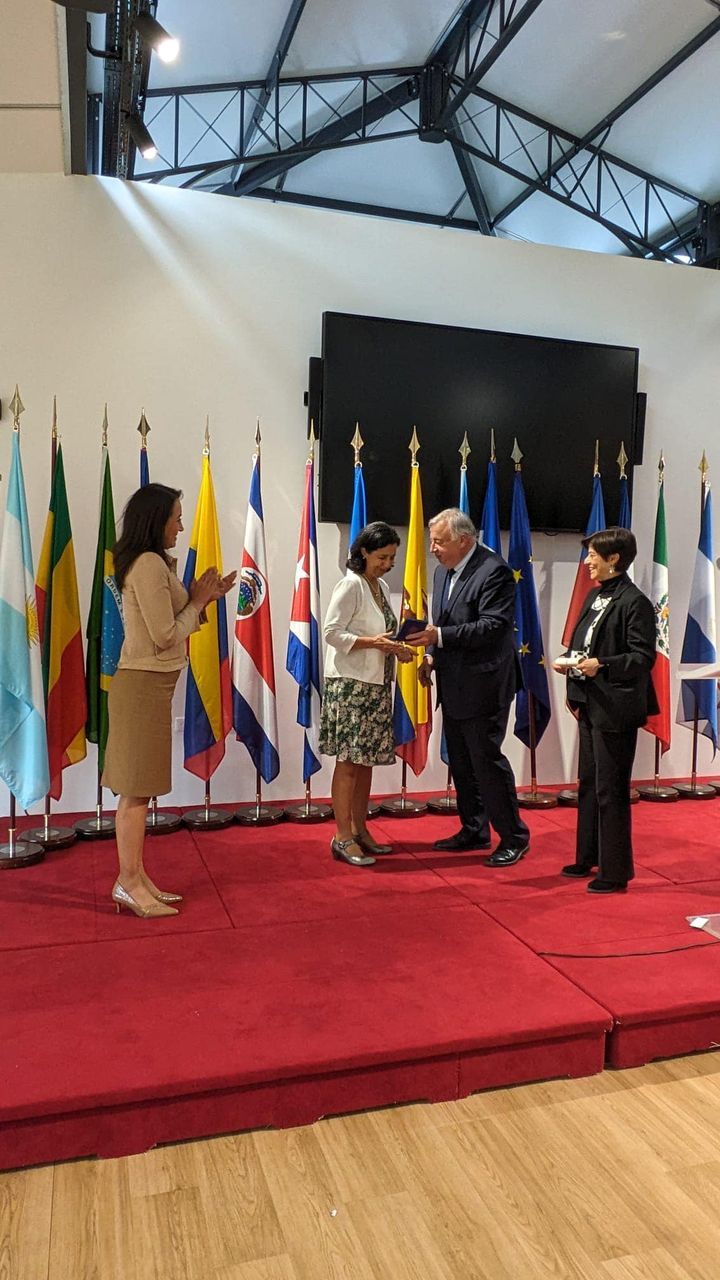
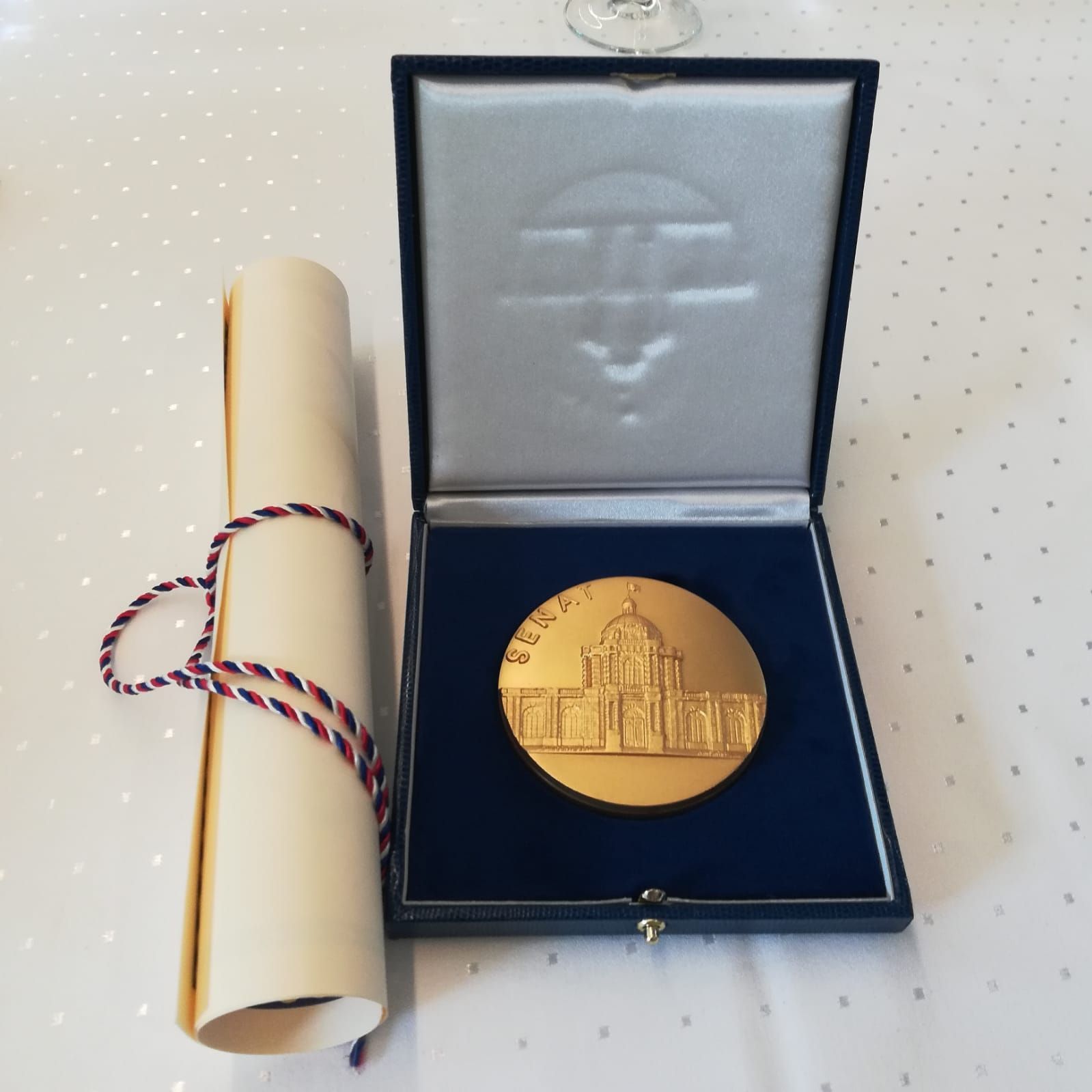
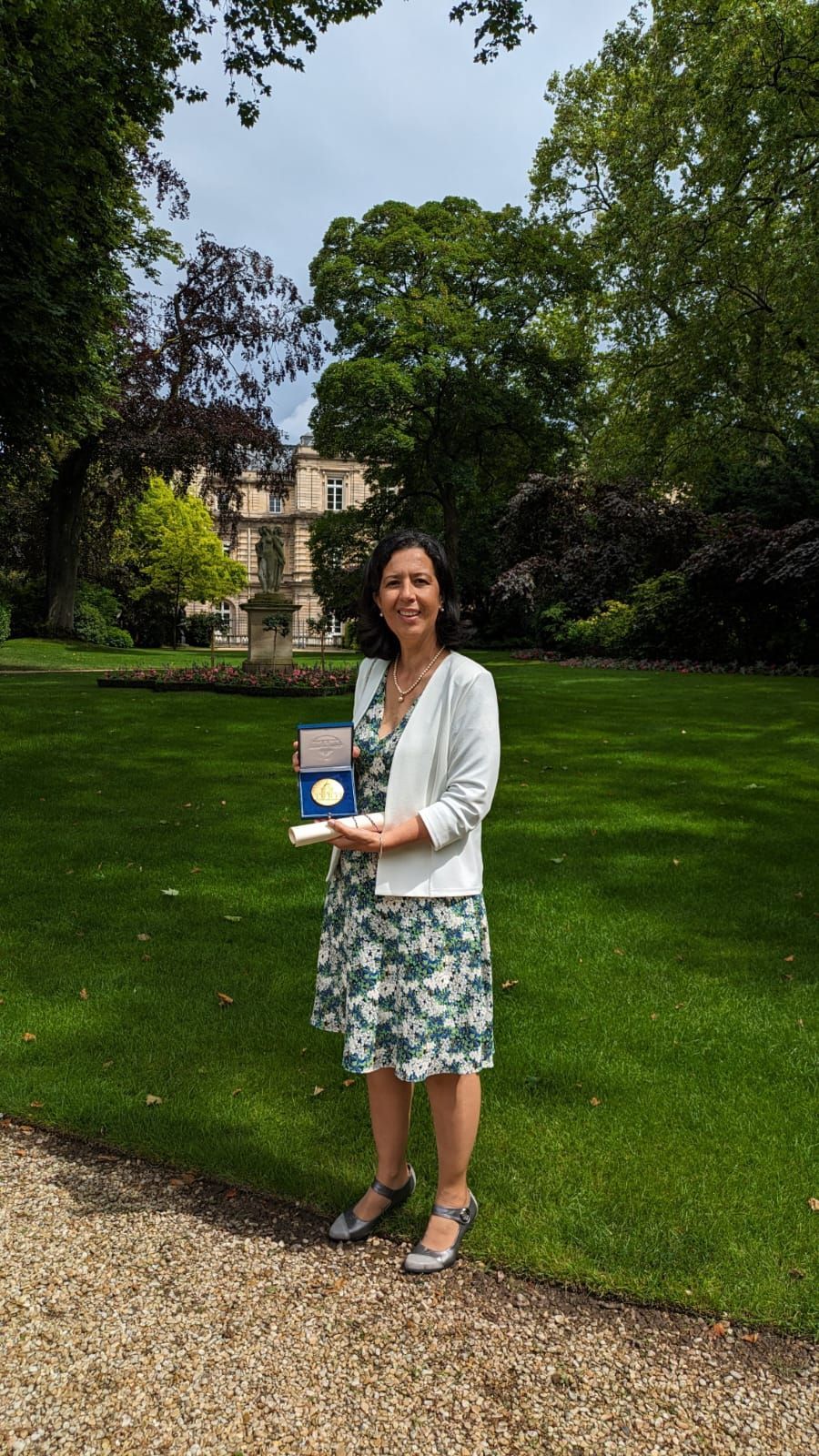
Ecologists Without Borders (EcoWB) is pleased to congratulate Board Member Dr. Sylvia Rivera Valle, who was recently awarded the Medal of the French Senate. The prestigious award was presented to Dr. Rivera by Mr. Gérard Larcher, President of the Senate, at Luxembourg Palace on May 30th, 2024, for her work in sustainable development.  

For over 25 years, Dr. Rivera has shared her expertise in sustainable development as a consultant to public sector agencies, non-governmental and non-profit organizations, international bodies, and private sector corporations. She is currently an expert auditor in fisheries management responsible for Marine Stewardship Council (MSC) certification, and she teaches at both Excelia Group, a higher education business and tourism school in France, and at EIGSI La Rochelle, one of the country’s four major private engineering schools. A dual citizen of Costa Rica and France, Dr. Rivera obtained her PhD in Management Science from La Rochelle University in France, following the award of a Master’s degree in Business Administration from the University of Costa Rica. 

The recent award of the Medal of the French Senate recognizes the immense body of work and admirable contributions of Dr. Rivera to the field of sustainable development, the human right of access to water and sanitation, sustainable fisheries management, and public policies for coastal areas. The award also recognizes her commitment to rural and indigenous Costa Rican territories and the linking of students with Costa Rican organizations and companies, promoting professional and cultural exchange. 

Dr. Rivera was presented with the award as part of France’s Latin American and Caribbean Weeks, which recognized the work of Latin Americans to unite France and the different countries of the region under the theme: “Together Facing Contemporary Challenges.”    

Congratulations to Dr. Sylvia Rivera Valle for this great recognition of her work and the contributions she continues to make to improve the environment and the lives of the people and communities touched by her work.    

To learn more about Dr. Rivera’s work, visit our Board of Directors page. To learn more about EcoWB and our mission to empower environmentally vulnerable communities worldwide, visit https://www.ecowb.org
November 5, 2025
Since 2023 EcoWB has been contributing its technical expertise to a multi-phase restoration initiative led by Asociación Mangle and the Mangrove Action Project in El Salvador’s Jiquilisco Bay, one of Central America’s largest and most diverse mangrove ecosystems. Together, these organizations and our technical collaborators aim to conserve, restore, and sustainably manage this globally significant ecosystem that supports biodiversity and local livelihoods. Its mangroves are globally important in sequestering carbon to mitigate the effects of climate change. Jiquilisco Bay, located on the Pacific coast of southeastern El Salvador, is a place of exceptional natural richness and ecological importance. Recognized as both a UNESCO Biosphere Reserve and a Ramsar Wetland of International Importance, it is home to one of Central America’s largest and most diverse mangrove forests, covering more than 20,000 hectares. These mangroves form the heart of the Jiquilisco Bay Biosphere Reserve, which spans around 400 km². It includes a mosaic of bays, channels, sandy beaches, islands, freshwater lagoons, and coastal forests. The reserve stretches along 50 kilometers of coastline between the Lempa River and the Jucuarán mountain range. The mangroves of Jiquilisco Bay—dominated by red, black, white, and buttonwood mangrove species—play a vital role in keeping the coast alive and protected. They reduce erosion, lessen storm impacts, and filter pollutants, acting as natural shields for coastal communities. Beneath their tangled roots, they are habitat for an astonishing variety of life, including fish, crabs, and sea turtles, such as the hawksbill, green, olive ridley, and leatherback, which are at risk of extinction. Above the water line they are vital for birds and other terrestrial animals. Beyond their ecological value, these mangroves are deeply connected to local communities, supporting fisheries, providing food and materials, and sustaining livelihoods. The project’s first phase focused on understanding trends in mangrove distribution and some of the factors influencing their health. Using Landsat satellite data and advanced machine learning techniques, EcoWB helped develop high-resolution maps of mangrove cover spanning three decades. This analysis identified key influences on mangrove viability, such as proximity to agriculture, urban expansion, elevation, soil conditions, and temperature. Building on that foundation, EcoWB supported a detailed assessment of mangrove cover changes and corresponding health and analysis of canopy height and aboveground biomass during a ten-year period (2016–2025) using Sentinel satellite and LiDAR data. The height and biomass (plant material) can be related to health, age, species composition, and site characteristics. The study underscored the need for continued protection, hydrological restoration, and community stewardship to strengthen ecosystem resilience. EcoWB is now helping translate that information into action through the creation of an open-source, interactive web platform. This tool will enable Asociación Mangle, the Mangrove Action Project, NGOs, government agencies, and local communities to visualize mangrove health trends and help identify priority conservation and restoration areas. Through knowledge transfer, EcoWB and its partners aim to empower local communities to make informed, science-based decisions for the long-term management of Jiquilisco Bay. This initiative demonstrates how collaboration, innovation, and community leadership can come together to safeguard one of Central America’s most vital coastal ecosystems. By combining cutting-edge science with local knowledge, EcoWB and its partners are helping ensure that Jiquilisco Bay’s mangroves—and the communities that depend on them—continue to thrive for generations to come. 
By Becky Muston June 4, 2025
As a volunteer-supported ecological assistance organization, EcoWB contributes to the vital work of the international aid community—supporting humanitarian and conservation efforts where ecological expertise can make a meaningful difference. In recent months, critical funding and staffing for international aid once provided through U.S. government programs have been withdrawn. The effects are already visible: environmental and humanitarian programs paused, local teams let go, and progress at risk of stalling. Among the efforts most affected are those tackling biodiversity loss, habitat degradation, water pollution, and climate change—areas where EcoWB has long provided professional expertise and hands-on project support. In response, we’re actively looking for opportunities to support projects that need ecological guidance or technical capacity to keep going. With our global network of skilled volunteers, we’re well placed to step in where others no longer can. If you know of places, partners, or organizations where environmental needs are going unmet—or if you're looking to make a meaningful impact— we’d love to hear from you . We also encourage those with the means to do so to take a moment: research the organizations struggling on the frontlines, see where funding may have been cut, and consider offering your support. Now more than ever, action matters—whether it’s donating, volunteering, or simply amplifying the work that still needs doing.