Supporting Community-Led Impact

The work EcoWB volunteers support is powered by purpose, guided by science, and driven by communities.

EcoWB is committed to supporting environmentally vulnerable communities as they confront the pressing challenges of climate change, habitat degradation, biodiversity loss, and other global ecological threats. 


Our approach is rooted in supporting local change-makers by connecting them with a global network of dedicated volunteers. Together, we bring to life community-led, scientifically grounded projects that help attain the ambitions each community strives to achieve. 

Our flexible framework offers project stewards a space to develop their ideas and access shared knowledge, skills, and resources within a collaborative network of partners and volunteers, ensuring mutual, long-term benefits for both people and ecosystems. EcoWB’s work amplifies and exchanges  knowledge and resources that are often inaccessible to many communities.

Global Impact

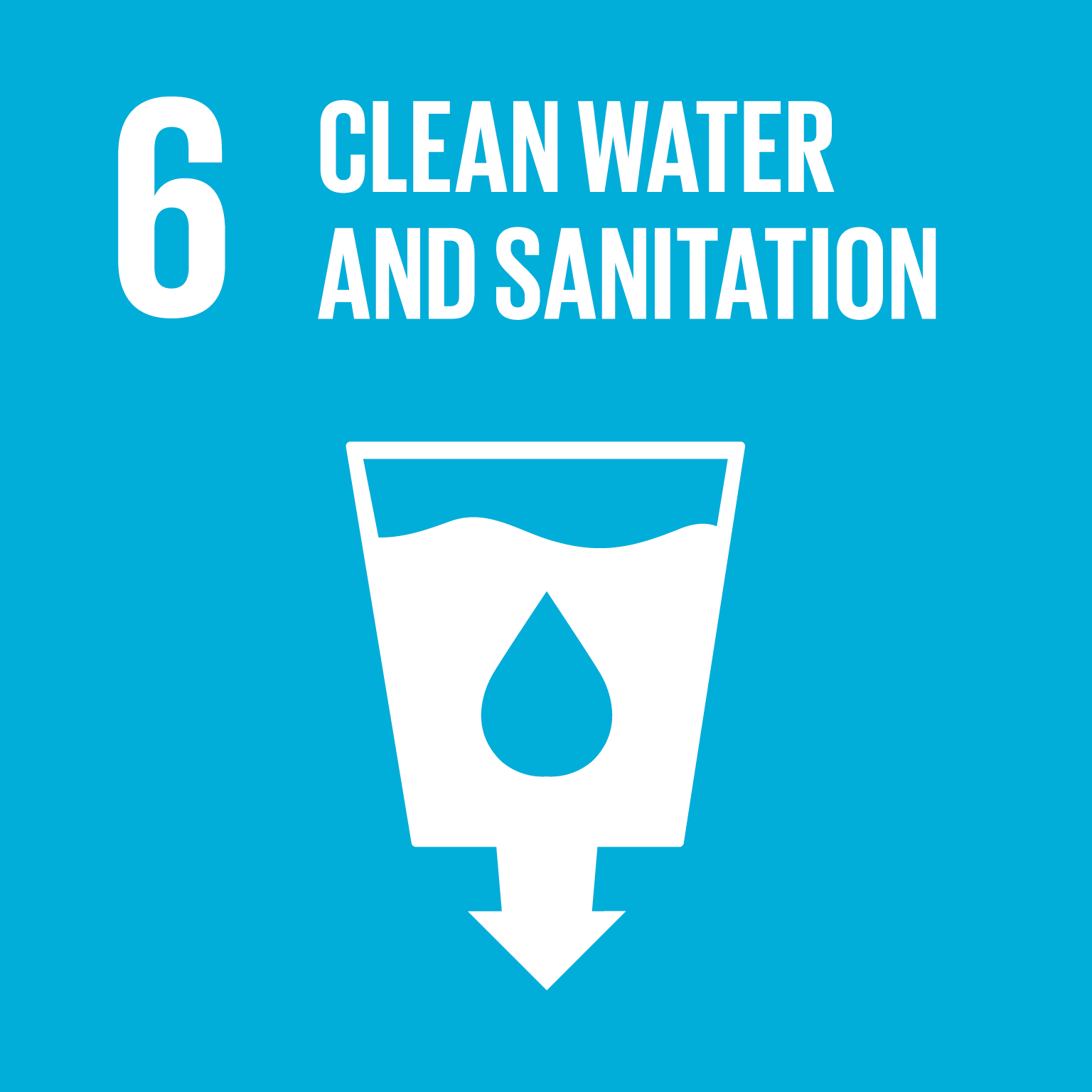
EcoWB community-led eco-projects are aligned with six of the United Nations' Sustainable Development Goals. By supporting these goals, EcoWB endeavors to make a meaningful contribution to the global effort to create a more equitable, sustainable, and prosperous future for all.

“We can safeguard the environment by using the best available scientific knowledge to develop widespread support for conservation, ecological restoration, and sustainable use actions.”

-The Intergovernmental Science-Policy Platform on Biodiversity and Ecosystem Services

See where EcoWB volunteers are currently supporting communities and making a difference!
Chimpanzee Conservation in Cameroon

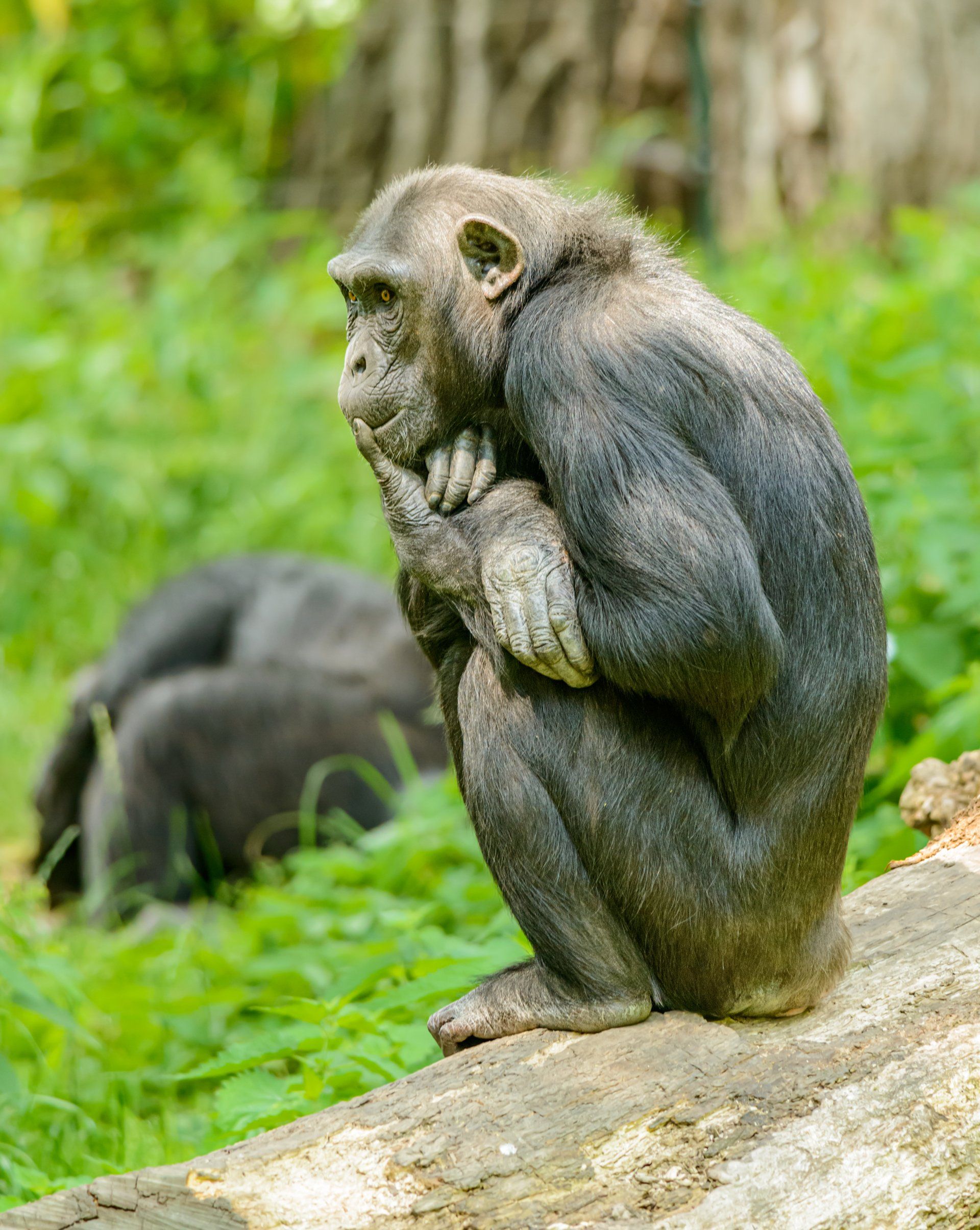
EcoWB supports Community-Based Biosynergy Management (CBBM), a grassroots organization protecting endangered chimpanzee populations in the remote forests of Somié, Cameroon. Bushfires set by cattle grazers and deforestation for fuel and farmland have put growing pressure on this fragile ecosystem. EcoWB volunteers helped CBBM develop its funding proposal and strategic plan, leading to a successfully funded campaign and the securing of the target land. We are now supporting the implementation of the second phase of the project to advance sustainable forest management and local socio-economic well-being, including efforts to gain legal protection for the Somié forest as a Community Forest under Cameroon's Community Forest Program. This includes securing a 25-year legal lease that shields the forest from encroachment and exploitation while placing stewardship firmly in local hands.

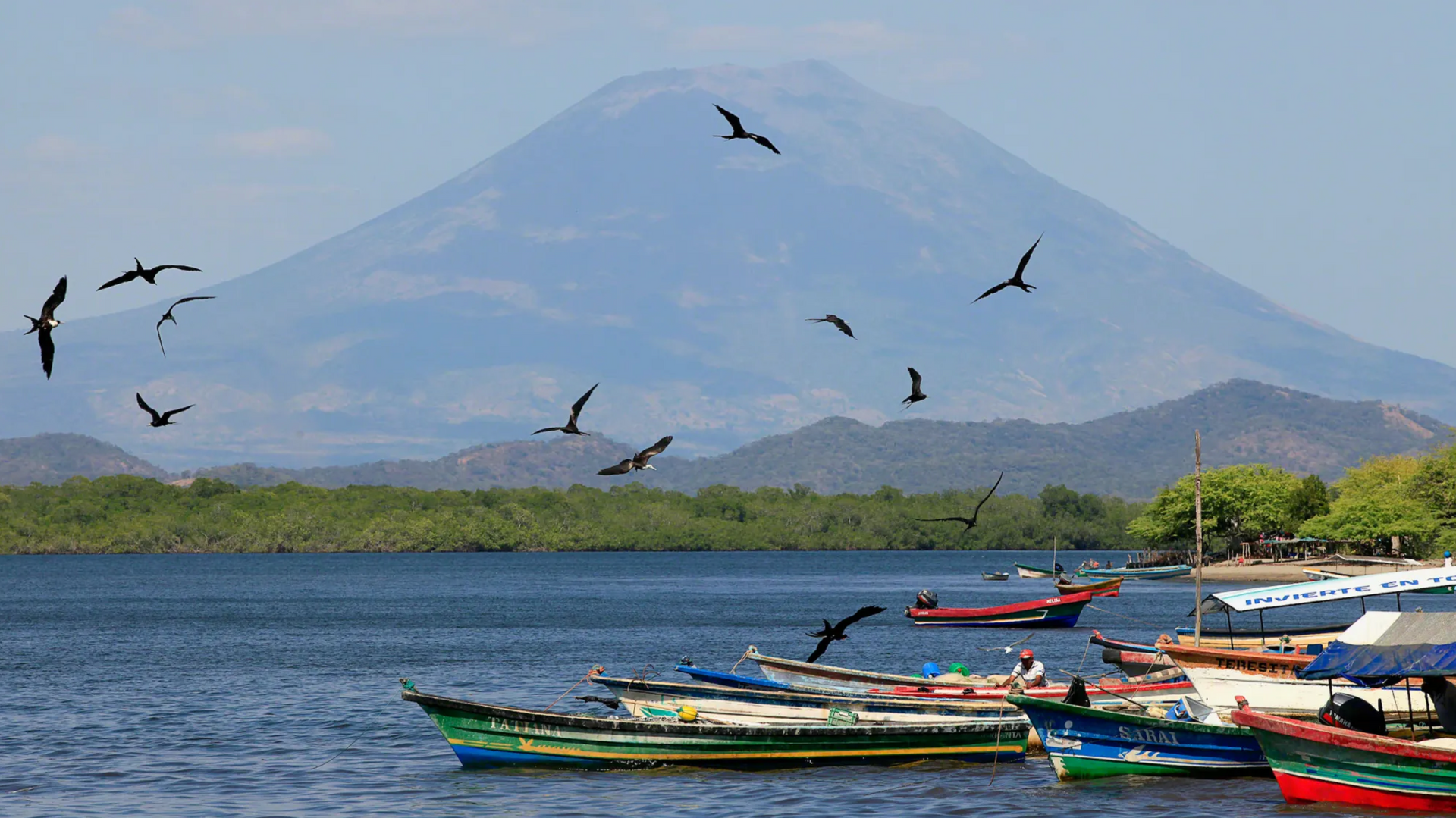
Mangrove Restoration and Monitoring in El Salvador

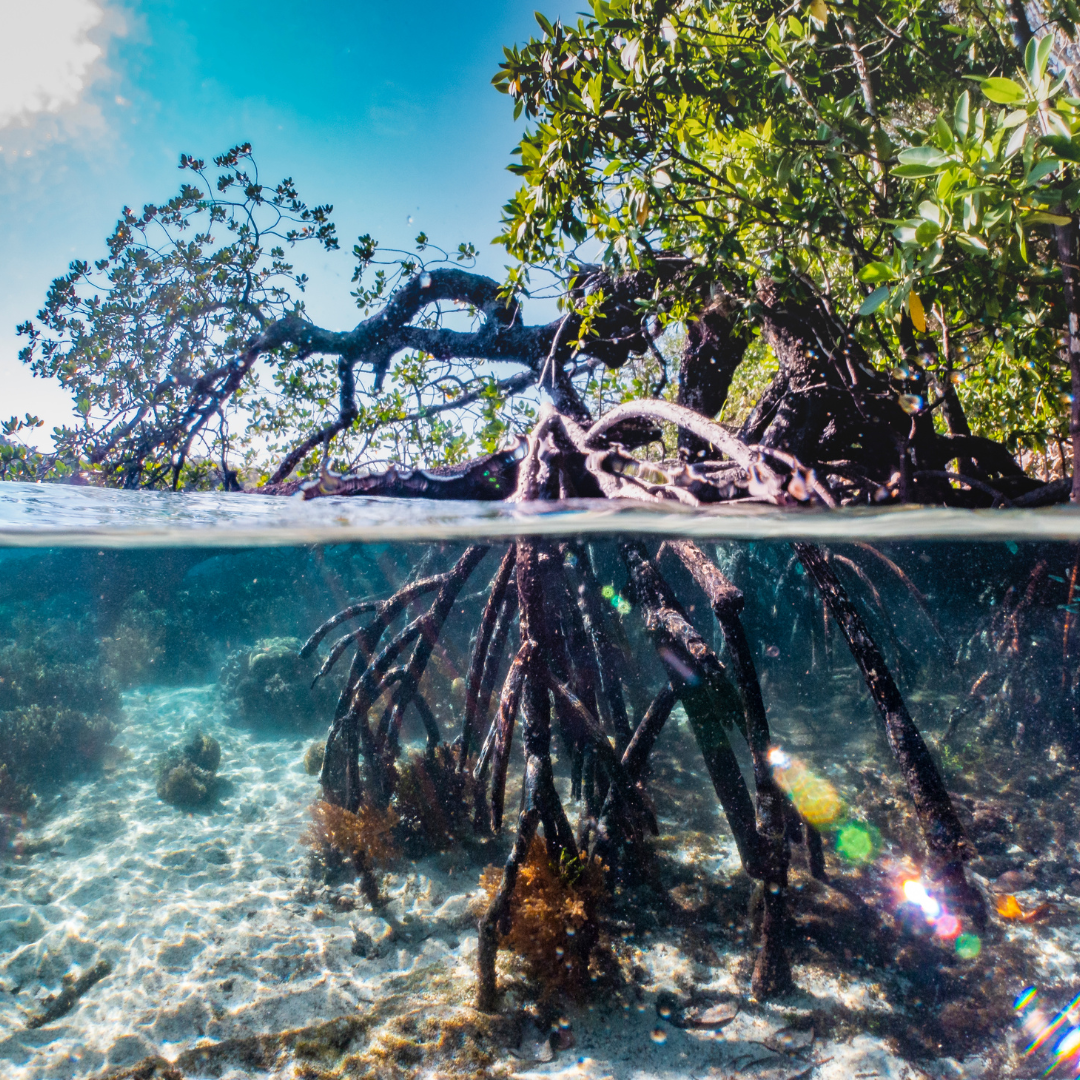
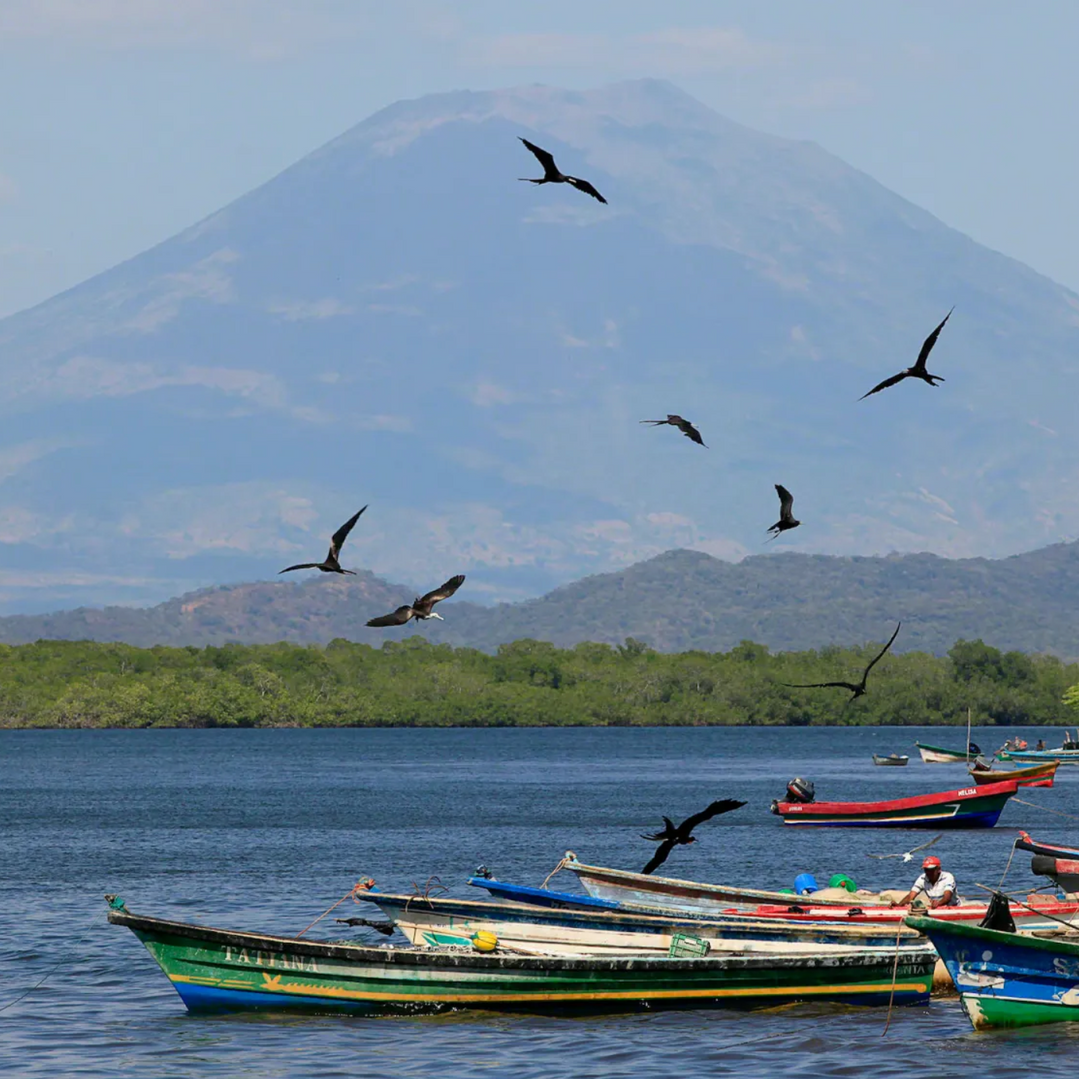
This project will use LiDAR and remote sensing technology to map and monitor the mangrove forests of Jiquilisco Bay, one of El Salvador’s most biodiverse coastal ecosystems. These tools will help assess mangrove loss, identify degradation hotspots, and guide targeted restoration efforts. This data-driven approach will support fisheries, wildlife, and coastal communities that depend on Jiquilisco Bay.

Karuna Nature Conservation Campaign

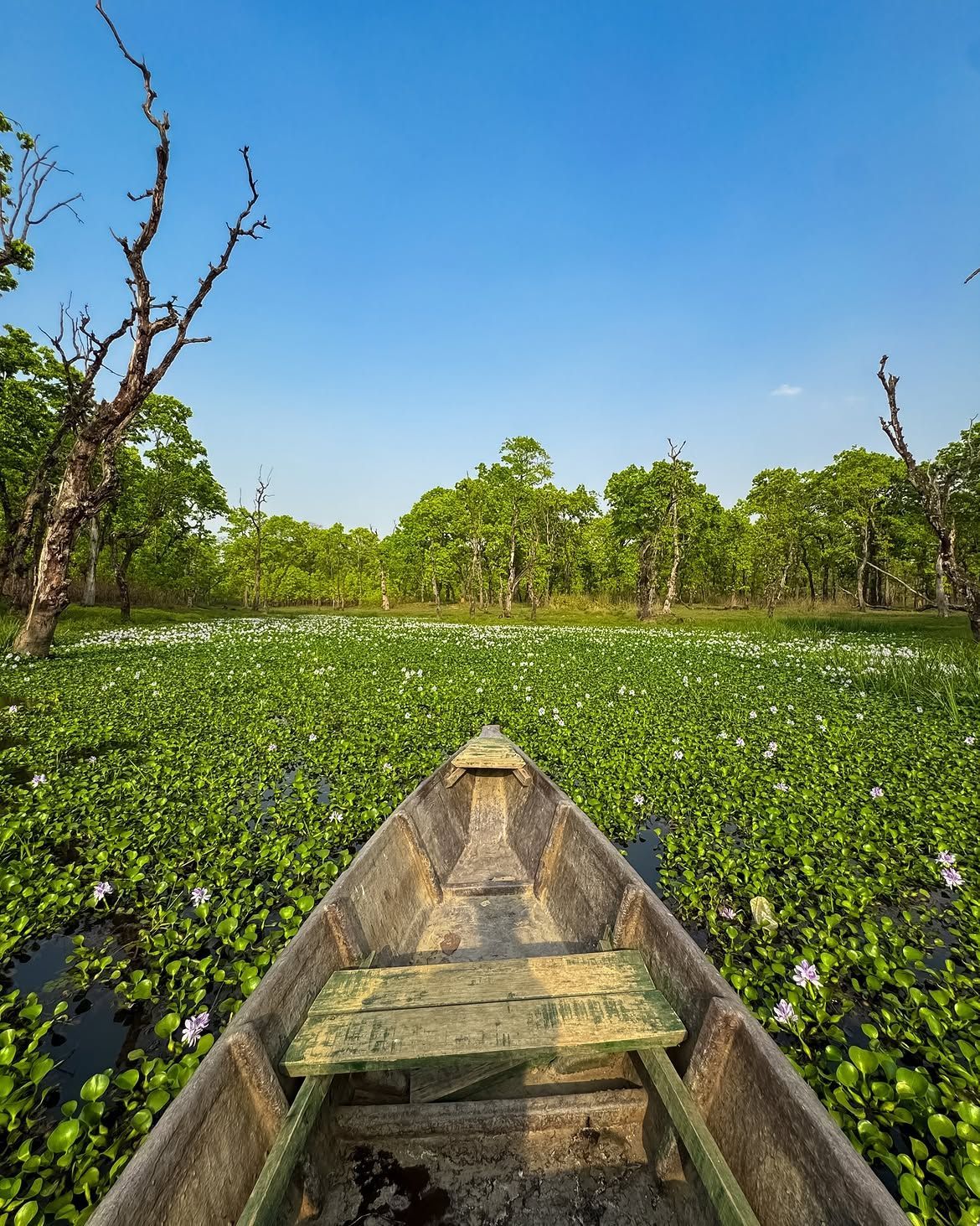
EcoWB is supporting Karunalaya Nepal, a grassroots organization focused on environmental protection, with a river and wetland restoration initiative in the Narayani River corridor. The project focuses on a network of wetlands located within the floodplain landscape surrounding Chitwan National Park. These wetlands form part of a wider ecological corridor, supporting wildlife movement between riverine and forest ecosystems. EcoWB's role includes strengthening the technical foundations of the project idea and, further down the road, supporting with GIS mapping of pollution sources, environmental monitoring, and training in project evaluation to support long-term restoration. 

Riparian Restoration and Sustainable Livelihoods at Lake Victoria, Kenya

Severe deforestation along the shores of Lake Victoria, where tree cover has dropped to as low as 1% in some areas, threatens ecosystems, fisheries, and public health. EcoWB is partnering with Apida Community Health CBO to support local communities to monitor environmental change, restore riparian zones, and adopt sustainable practices. Together, we are co-developing a community-led training and monitoring framework, establishing tree nurseries, and exploring alternatives to tree cutting for fuel, ensuring lasting benefits for both people and nature. 

Great Green Macaw Recovery Support in Costa Rica

EcoWB supports the Macaw Recovery Network (MRN) Association, which has been working in Costa Rica's Guanacaste and Heredia provinces for almost a decade. Their approach combines captive breeding and controlled release programs with habitat restoration and community education. EcoWB volunteers will assist with macaw releases and habitat restoration, support the development of educational curricula, strengthen project management systems to better coordinate their multiple initiatives, and enhance MRN’s capacity to demonstrate impact.  

Chimpanzee Conservation in Cameroon

EcoWB supports Community-Based Biosynergy Management (CBBM), a grassroots organization protecting endangered chimpanzee populations in the remote forests of Somié, Cameroon. Bushfires set by cattle grazers and deforestation for fuel and farmland have put growing pressure on this fragile ecosystem. EcoWB volunteers helped CBBM develop its funding proposal and strategic plan, leading to a successfully funded campaign and the securing of the target land. We are now supporting the implementation of the second phase of the project to advance sustainable forest management and local socio-economic well-being, including efforts to gain legal protection for the Somié forest as a Community Forest under Cameroon's Community Forest Program. This includes securing a 25-year legal lease that shields the forest from encroachment and exploitation while placing stewardship firmly in local hands.

Mangrove Restoration and Monitoring in El Salvador

This project will use LiDAR and remote sensing technology to map and monitor the mangrove forests of Jiquilisco Bay, one of El Salvador’s most biodiverse coastal ecosystems. These tools will help assess mangrove loss, identify degradation hotspots, and guide targeted restoration efforts. This data-driven approach will support fisheries, wildlife, and coastal communities that depend on Jiquilisco Bay.

Mangrove Conservation and Restoration in Mexico

EcoWB volunteers are actively engaged in preserving and restoring coastal mangrove ecosystems in Mexico's Marismas Nacionales region addressing threats posed by agriculture, shrimp farms, dams, and deforestation. EcoWB along with our corporate partners, ERM, are working with local partners to develop conservation strategies and restoration techniques to safeguard these critical ecosystems for future generations.

LEARN MORE

Reservoir Rehabilitation in Kenya

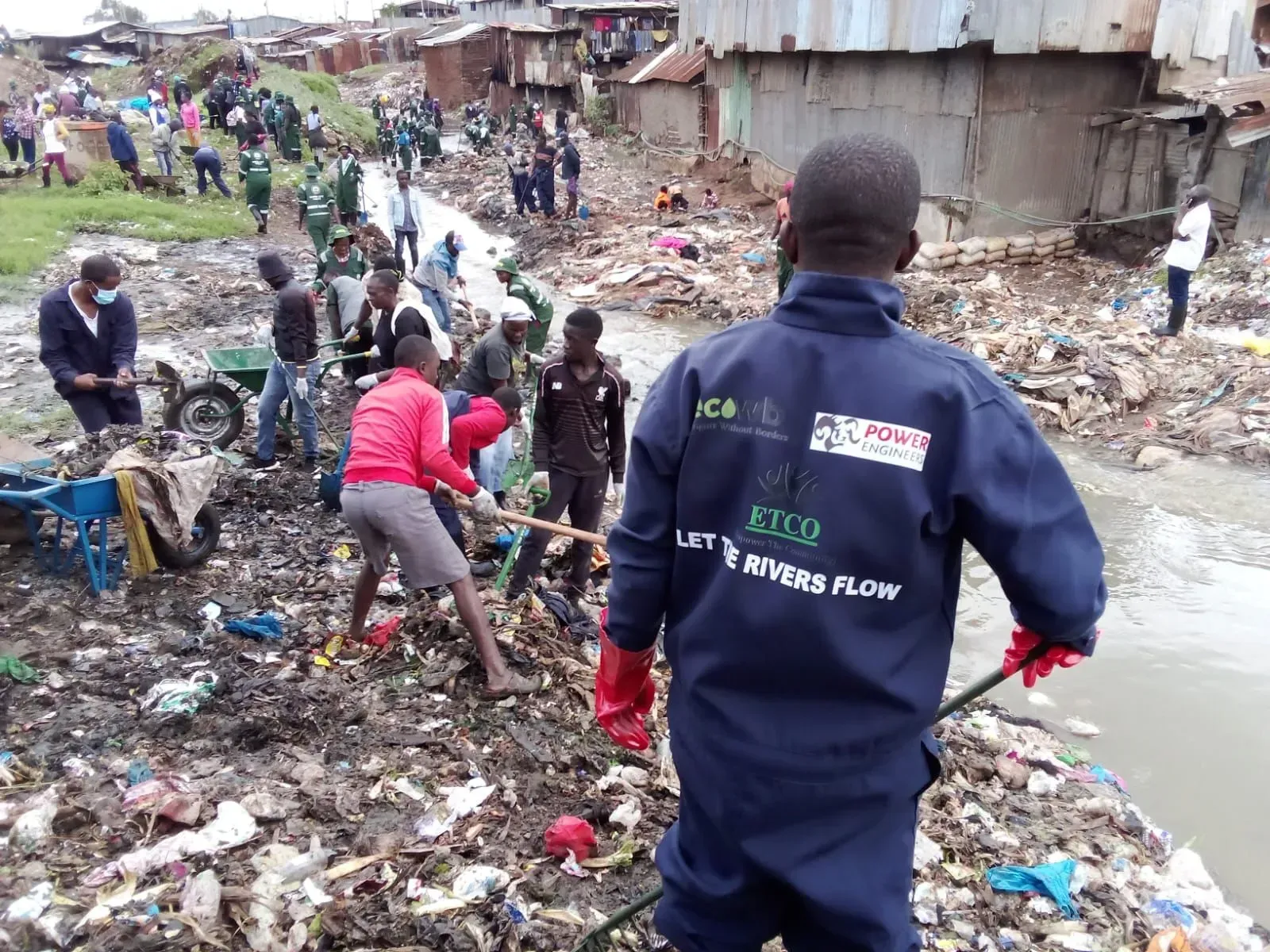
EcoWB volunteers are helping the residents of Nairobi address environmental and public health issues caused by pollution in the Nairobi Reservoir. Once a popular recreational spot, the reservoir is now surrounded by the informal settlement of Kibera.  The reservoir is now heavily polluted with human waste, non-biodegradable plastic, sediment, and invasive aquatic weeds, all of which pose serious health risks to Kibera residents. EcoWB and our corporate partner, POWER Engineers, are working with local partners to clean-up the reservoir and restore the natural functioning of its tributaries.

LEARN MORE

Sustainable Fisheries in Mexico

EcoWB volunteers are working with communities in Mulegé, México where the squid fishing industry collapsed a decade ago due to rising ocean water temperatures, resulting in socio-economic instability and hardship. In collaboration with our local partners, EcoWB volunteers are aiding local fishermen in transitioning to alternative, sustainable fishing practices by implementing a Fisheries Improvement Project (FIP). The FIP provides Mulegé fishermen, fishing cooperatives, and fishery managers with data and recommendations on optimal fishing times and locations, as well as the use of eco-friendly fishing gear, to protect the Gulf of California ecosystem and improve livelihoods.

LEARN MORE

Wildlife Camera Trapping in Nepal

EcoWB volunteers are collaborating with partners in several community forests across Nepal to enhance the use of wildlife camera traps. These cameras collect data on species distribution, population sizes, and interactions, helping us understand the human impacts on wildlife and habitats. EcoWB volunteers are working to upload, analyze and interpret the images to inform conservation strategies for protecting Nepal’s community forests and their unique fauna.

LEARN MORE

Chimpanzee Conservation in Cameroon

EcoWB is supporting a grassroots organization in Cameroon dedicated to safeguarding endangered chimpanzee populations in the remote forests of Somié. Human activities such as bushfires set by cattle grazers and deforestation for fuel and farmland have intensified the strain on the forest ecosystem. EcoWB volunteers helped coordinate initial proposal writing and strategic planning to secure funding, and are now aiding the development of a community forest project to promote sustainable forest management and socio-economic well-being.

LEARN MORE

Reviving Rural Fishing Communities in Kenya

EcoWB volunteers are working with fishing communities in the Winam Gulf region of Lake Victoria in Kenya who are struggling with the devastating socio-economic and ecological impacts of an invasive aquatic weed called water hyacinth. Water hyacinth has choked vast stretches of the lake shoreline, making it impossible to launch fishing boats and gain access to safe drinking water. EcoWB volunteers and our local partners developed an innovative strategy to remove water hyacinth, restore the waterways, and convert harvested plants into beneficial products such compost, charcoal, and animal fodder. These byproducts are then sold at discounted prices to stimulate demand and jobs, which in turn generates enough revenue to allow the lake restoration work to continue.
LEARN MORE

Community Agroforestry in Fiji

EcoWB is working with local partners in Fiji to transform abandoned sugar cane farms into a vibrant community agroforestry initiative. The project is being led by the Rugby Academy of Fiji and engages young rugby players in nurturing the land and fostering biodiversity by planting breadfruit and various fruit trees. EcoWB’s lead volunteer on the project is collaborating to further develop the project, aiming to secure a volunteer coordinator who will play a key role in raising the funds necessary to propel the project forward, ensuring its success and sustainability.

LEARN MORE

Coastal Conservation and Plastic Pollution Awareness

EcoWB is partnering with 4P SCIENSEAS, a French NGO dedicated to coastal conservation through citizen science research. Their "Plastic Road™ project combines scientific research with beach cleanups along the Atlantic coastline of France, raising awareness about ocean conservation. Volunteers walk along sandy coastlines, collecting debris, conducting scientific sampling, and hosting public awareness events. This project fosters social connections, raises awareness about plastic pollution, and provides valuable scientific data. EcoWB and 4P SCIENSEAS aim to expand the Plastic Road™ to other countries, contributing to global research, engaging new partners, and influencing public policy to reduce plastic contamination.

LEARN MORE

Mangrove Conservation and Restoration in Mexico

EcoWB volunteers are actively engaged in preserving and restoring coastal mangrove ecosystems in Mexico's Marismas Nacionales region addressing threats posed by agriculture, shrimp farms, dams, and deforestation. EcoWB along with our corporate partners, ERM, are working with local partners to develop conservation strategies and restoration techniques to safeguard these critical ecosystems for future generations.

LEARN MORE

Reservoir Rehabilitation in Kenya

EcoWB volunteers are helping the residents of Nairobi address environmental and public health issues caused by pollution in the Nairobi Reservoir. Once a popular recreational spot, the reservoir is now surrounded by the informal settlement of Kibera.  The reservoir is now heavily polluted with human waste, non-biodegradable plastic, sediment, and invasive aquatic weeds, all of which pose serious health risks to Kibera residents. EcoWB and our corporate partner, POWER Engineers, are working with local partners to clean-up the reservoir and restore the natural functioning of its tributaries.

LEARN MORE

Sustainable Fisheries in Mexico

EcoWB volunteers are working with communities in Mulegé, México where the squid fishing industry collapsed a decade ago due to rising ocean water temperatures, resulting in socio-economic instability and hardship. In collaboration with our local partners, EcoWB volunteers are aiding local fishermen in transitioning to alternative, sustainable fishing practices by implementing a Fisheries Improvement Project (FIP). The FIP provides Mulegé fishermen, fishing cooperatives, and fishery managers with data and recommendations on optimal fishing times and locations, as well as the use of eco-friendly fishing gear, to protect the Gulf of California ecosystem and improve livelihoods.

LEARN MORE

Wildlife Camera Trapping in Nepal

EcoWB volunteers are collaborating with partners in several community forests across Nepal to enhance the use of wildlife camera traps. These cameras collect data on species distribution, population sizes, and interactions, helping us understand the human impacts on wildlife and habitats. EcoWB volunteers are working to upload, analyze and interpret the images to inform conservation strategies for protecting Nepal’s community forests and their unique fauna.

LEARN MORE

Chimpanzee Conservation in Cameroon

EcoWB is supporting a grassroots organization in Cameroon dedicated to safeguarding endangered chimpanzee populations in the remote forests of Somié. Human activities such as bushfires set by cattle grazers and deforestation for fuel and farmland have intensified the strain on the forest ecosystem. EcoWB volunteers helped coordinate initial proposal writing and strategic planning to secure funding, and are now aiding the development of a community forest project to promote sustainable forest management and socio-economic well-being.

LEARN MORE

Reviving Rural Fishing Communities in Kenya

EcoWB volunteers are working with fishing communities in the Winam Gulf region of Lake Victoria in Kenya who are struggling with the devastating socio-economic and ecological impacts of an invasive aquatic weed called water hyacinth. Water hyacinth has choked vast stretches of the lake shoreline, making it impossible to launch fishing boats and gain access to safe drinking water. EcoWB volunteers and our local partners developed an innovative strategy to remove water hyacinth, restore the waterways, and convert harvested plants into beneficial products such compost, charcoal, and animal fodder. These byproducts are then sold at discounted prices to stimulate demand and jobs, which in turn generates enough revenue to allow the lake restoration work to continue.

LEARN MORE

Community Agroforestry in Fiji

EcoWB is working with local partners in Fiji to transform abandoned sugar cane farms into a vibrant community agroforestry initiative. The project is being led by the Rugby Academy of Fiji and engages young rugby players in nurturing the land and fostering biodiversity by planting breadfruit and various fruit trees. EcoWB’s lead volunteer on the project is collaborating to further develop the project, aiming to secure a volunteer coordinator who will play a key role in raising the funds necessary to propel the project forward, ensuring its success and sustainability.

LEARN MORE

Coastal Conservation and Plastic Pollution Awareness

EcoWB is partnering with 4P SCIENSEAS, a French NGO dedicated to coastal conservation through citizen science research. Their "Plastic Road™ project combines scientific research with beach cleanups along the Atlantic coastline of France, raising awareness about ocean conservation. Volunteers walk along sandy coastlines, collecting debris, conducting scientific sampling, and hosting public awareness events. This project fosters social connections, raises awareness about plastic pollution, and provides valuable scientific data. EcoWB and 4P SCIENSEAS aim to expand the Plastic Road™ to other countries, contributing to global research, engaging new partners, and influencing public policy to reduce plastic contamination.

LEARN MORE

Mangrove Conservation and Restoration in Mexico

EcoWB volunteers are actively engaged in preserving and restoring coastal mangrove ecosystems in Mexico's Marismas Nacionales region addressing threats posed by agriculture, shrimp farms, dams, and deforestation. EcoWB along with our corporate partners, ERM, are working with local partners to develop conservation strategies and restoration techniques to safeguard these critical ecosystems for future generations.

LEARN MORE

Mangrove Restoration and Monitoring in El Salvador

This project will use LiDAR and remote sensing technology to map and monitor the mangrove forests of Jiquilisco Bay, one of El Salvador’s most biodiverse coastal ecosystems. These tools will help assess mangrove loss, identify degradation hotspots, and guide targeted restoration efforts. This data-driven approach will support fisheries, wildlife, and coastal communities that depend on Jiquilisco Bay.

Chimpanzee Conservation in Cameroon

EcoWB supports Community-Based Biosynergy Management (CBBM), a grassroots organization protecting endangered chimpanzee populations in the remote forests of Somié, Cameroon. Bushfires set by cattle grazers and deforestation for fuel and farmland have put growing pressure on this fragile ecosystem. EcoWB volunteers helped CBBM develop its funding proposal and strategic plan, leading to a successfully funded campaign and the securing of the target land. We are now supporting the implementation of the second phase of the project to advance sustainable forest management and local socio-economic well-being, including efforts to gain legal protection for the Somié forest as a Community Forest under Cameroon's Community Forest Program. This includes securing a 25-year legal lease that shields the forest from encroachment and exploitation while placing stewardship firmly in local hands.

Karuna Nature Conservation Campaign

EcoWB is supporting Karunalaya Nepal, a grassroots organization focused on environmental protection, with a river and wetland restoration initiative in the Narayani River corridor. The project focuses on a network of wetlands located within the floodplain landscape surrounding Chitwan National Park. These wetlands form part of a wider ecological corridor, supporting wildlife movement between riverine and forest ecosystems. EcoWB's role includes strengthening the technical foundations of the project idea and, further down the road, supporting with GIS mapping of pollution sources, environmental monitoring, and training in project evaluation to support long-term restoration. 

Riparian Restoration & Sustainable Livelihoods at Lake Victoria

Severe deforestation along the shores of Lake Victoria, where tree cover has dropped to as low as 1% in some areas, threatens ecosystems, fisheries, and public health. EcoWB is partnering with Apida Community Health CBO to support local communities to monitor environmental change, restore riparian zones, and adopt sustainable practices. Together, we are co-developing a community-led training and monitoring framework, establishing tree nurseries, and exploring alternatives to tree cutting for fuel, ensuring lasting benefits for both people and nature. 

Great Green Macaw Recovery Support in Costa Rica

EcoWB supports the Macaw Recovery Network (MRN) Association, which has been working in Costa Rica's Guanacaste and Heredia provinces for almost a decade. Their approach combines captive breeding and controlled release programs with habitat restoration and community education. EcoWB volunteers will assist with macaw releases and habitat restoration, support the development of educational curricula, strengthen project management systems to better coordinate their multiple initiatives, and enhance MRN’s capacity to demonstrate impact.  

Mangrove Conservation and Restoration in Mexico

EcoWB volunteers are actively engaged in preserving and restoring coastal mangrove ecosystems in Mexico's Marismas Nacionales region addressing threats posed by agriculture, shrimp farms, dams, and deforestation. EcoWB along with our corporate partners, ERM, are working with local partners to develop conservation strategies and restoration techniques to safeguard these critical ecosystems for future generations.

LEARN MORE

Reservoir Rehabilitation in Kenya

EcoWB volunteers are helping the residents of Nairobi address environmental and public health issues caused by pollution in the Nairobi Reservoir. Once a popular recreational spot, the reservoir is now surrounded by the informal settlement of Kibera.  The reservoir is now heavily polluted with human waste, non-biodegradable plastic, sediment, and invasive aquatic weeds, all of which pose serious health risks to Kibera residents. EcoWB and our corporate partner, POWER Engineers, are working with local partners to clean-up the reservoir and restore the natural functioning of its tributaries.

LEARN MORE

Sustainable Fisheries in Mexico

EcoWB volunteers are working with communities in Mulegé, México where the squid fishing industry collapsed a decade ago due to rising ocean water temperatures, resulting in socio-economic instability and hardship. In collaboration with our local partners, EcoWB volunteers are aiding local fishermen in transitioning to alternative, sustainable fishing practices by implementing a Fisheries Improvement Project (FIP). The FIP provides Mulegé fishermen, fishing cooperatives, and fishery managers with data and recommendations on optimal fishing times and locations, as well as the use of eco-friendly fishing gear, to protect the Gulf of California ecosystem and improve livelihoods.

LEARN MORE

Wildlife Camera Trapping in Nepal

EcoWB volunteers are collaborating with partners in several community forests across Nepal to enhance the use of wildlife camera traps. These cameras collect data on species distribution, population sizes, and interactions, helping us understand the human impacts on wildlife and habitats. EcoWB volunteers are working to upload, analyze and interpret the images to inform conservation strategies for protecting Nepal’s community forests and their unique fauna.

LEARN MORE

Chimpanzee Conservation in Cameroon

EcoWB is supporting a grassroots organization in Cameroon dedicated to safeguarding endangered chimpanzee populations in the remote forests of Somié. Human activities such as bushfires set by cattle grazers and deforestation for fuel and farmland have intensified the strain on the forest ecosystem. EcoWB volunteers helped coordinate initial proposal writing and strategic planning to secure funding, and are now aiding the development of a community forest project to promote sustainable forest management and socio-economic well-being.

LEARN MORE

Reviving Rural Fishing Communities in Kenya

EcoWB volunteers are working with fishing communities in the Winam Gulf region of Lake Victoria in Kenya who are struggling with the devastating socio-economic and ecological impacts of an invasive aquatic weed called water hyacinth. Water hyacinth has choked vast stretches of the lake shoreline, making it impossible to launch fishing boats and gain access to safe drinking water. EcoWB volunteers and our local partners developed an innovative strategy to remove water hyacinth, restore the waterways, and convert harvested plants into beneficial products such compost, charcoal, and animal fodder. These byproducts are then sold at discounted prices to stimulate demand and jobs, which in turn generates enough revenue to allow the lake restoration work to continue.

LEARN MORE

Community Agroforestry in Fiji

EcoWB is working with local partners in Fiji to transform abandoned sugar cane farms into a vibrant community agroforestry initiative. The project is being led by the Rugby Academy of Fiji and engages young rugby players in nurturing the land and fostering biodiversity by planting breadfruit and various fruit trees. EcoWB’s lead volunteer on the project is collaborating to further develop the project, aiming to secure a volunteer coordinator who will play a key role in raising the funds necessary to propel the project forward, ensuring its success and sustainability.

LEARN MORE

Coastal Conservation and Plastic Pollution Awareness

EcoWB is partnering with 4P SCIENSEAS, a French NGO dedicated to coastal conservation through citizen science research. Their "Plastic Road™ project combines scientific research with beach cleanups along the Atlantic coastline of France, raising awareness about ocean conservation. Volunteers walk along sandy coastlines, collecting debris, conducting scientific sampling, and hosting public awareness events. This project fosters social connections, raises awareness about plastic pollution, and provides valuable scientific data. EcoWB and 4P SCIENSEAS aim to expand the Plastic Road™ to other countries, contributing to global research, engaging new partners, and influencing public policy to reduce plastic contamination.

LEARN MORE

Mangrove Conservation and Restoration in Mexico

EcoWB volunteers are actively engaged in preserving and restoring coastal mangrove ecosystems in Mexico's Marismas Nacionales region addressing threats posed by agriculture, shrimp farms, dams, and deforestation. EcoWB along with our corporate partners, ERM, are working with local partners to develop conservation strategies and restoration techniques to safeguard these critical ecosystems for future generations.

LEARN MORE

Make a difference

Our experts put in their time. Your support makes it possible to build the right teams and bring their expertise to communities around the world.

Past Volunteer Support of Community-Led Impact

Past Projects

If you are looking for technical or scientific support for your community-led project, we have EcoWB volunteers ready to support your work! Submit your EcoWB volunteer support request today.